Green Tea
Keywords: Chinese tea, Japanese tea, cancer, mental alertness
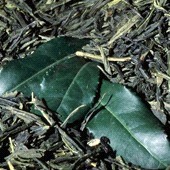 © Steven Foster © Steven Foster
Introduction
This fact sheet provides basic information about green tea—common names, uses, potential side
effects, and resources for more information. All types of tea (green, black, and oolong) are produced from the
Camellia sinensis plant using different methods. Fresh leaves from the Camellia sinensis plant are steamed to
produce green tea.
Common Names—green tea, Chinese tea, Japanese tea
Latin Names—Camellia sinensis
What It Is Used For
- Green tea and green tea extracts, such as its component EGCG, have been used to prevent
and treat a variety of cancers, including breast, stomach, and skin cancers.
- Green tea and green tea extracts have also been used for improving mental alertness, aiding in weight loss,
lowering cholesterol levels, and protecting skin from sun damage.
How It Is Used
Green tea is usually brewed and drunk as a beverage. Green tea extracts can be taken in capsules and are sometimes
used in skin products.
What the Science Says
- Laboratory studies suggest that green tea may help protect against or slow the growth of certain cancers,
but studies in people have shown mixed results.
- Some evidence suggests that the use of green tea preparations improves mental alertness, most likely
because of its caffeine content. There are not enough reliable data to determine whether green tea can aid in
weight loss, lower blood cholesterol levels, or protect the skin from sun damage.
- NCCAM is supporting studies to learn more about the components in green tea and their effects on conditions
such as cancer, diabetes, and heart
disease.
Side Effects and Cautions
- Green tea is safe for most adults when used in moderate amounts.
- There have been some case reports of liver problems in people taking concentrated green tea extracts. This
problem does not seem to be connected with green tea infusions or beverages. Although these cases are very rare
and the evidence is not definitive, experts suggest that concentrated green tea extracts be taken with food,
and that people should discontinue use and consult a heath care practitioner if they have a liver disorder or
develop symptoms of liver trouble, such as abdominal pain, dark urine, or jaundice.
- Green tea and green tea extracts contain caffeine. Caffeine can cause insomnia, anxiety, irritability,
upset stomach, nausea, diarrhea, or frequent urination in some people.
- Green tea contains small amounts of vitamin K, which can make anticoagulant drugs, such as warfarin, less
effective.
- Tell your health care providers about any complementary and alternative practices you use. Give them a full
picture of what you do to manage your health. This will help ensure coordinated and safe care.
Sources
|